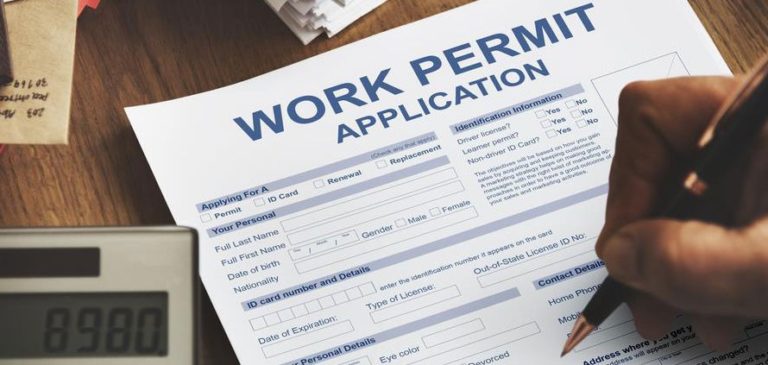
The dream of working in the United States has lured countless individuals from around the globe. The country is renowned for its diverse industries, top-tier companies, and opportunities for growth. However, navigating the maze of U.S. immigration can be daunting. The key lies in understanding how to secure a permanent work visa. In this article, we will walk you through the essential steps to achieve a permanent work visa in USA.
Benefit of Working in USA As A Foreign Migrant
Working in the USA offers a range of unique advantages, especially for foreigners seeking personal, professional, and financial growth. Here are some key benefits of working in the USA as a foreigner:
1. Diverse Opportunities
The U.S. economy is one of the largest and most diversified in the world. This diversity translates to a vast array of job opportunities in sectors ranging from technology and finance to healthcare, entertainment, and more.
2. Competitive Salaries
In general, salaries in the U.S. tend to be competitive, especially when compared to many other countries. This often means that professionals can earn more in the U.S. than in their home countries for the same role.
3. Advanced Professional Development
The USA is home to numerous industry leaders, renowned institutions, and cutting-edge companies. Working here can provide exposure to the latest technologies, methodologies, and industry best practices.
4. Cultural Diversity
Given its history of immigration, the U.S. is a melting pot of cultures. Living and working in such a diverse environment can be an enriching experience, offering insights into different cultures, traditions, and ways of life.
5. Educational Opportunities
The U.S. boasts some of the world’s top universities and educational institutions. Foreign workers and their families might find it easier to access quality education, both for personal enrichment and to bolster professional credentials.
6. Networking Potential
The U.S. is a hub for global events, conferences, and seminars. This offers immense networking opportunities to meet professionals from all over the world, paving the way for global collaborations and career advancements.
7. Innovative Work Environment
Many U.S. companies foster a culture of innovation, encouraging employees to think outside the box and push boundaries. This can be especially appealing to those looking to work in a dynamic and progressive environment.
8. Labor Rights and Protections
The U.S. has robust labor laws designed to protect the rights of workers, including those from other countries. These cover areas like minimum wage, overtime, workplace safety, and protection against discrimination.
9. Potential Pathway to Residency
While it’s not guaranteed, working in the U.S. can sometimes pave the way to obtaining permanent residency (a green card). Over time, some foreign workers are able to transition from temporary work visas to permanent resident status.
10. Global Recognition
Experience working in the U.S. often holds global recognition and can be an attractive point on a resume. It can be seen as evidence of a person’s ability to adapt to diverse environments and work in competitive settings.
Benefit of Permanent Work Visa in USA
Obtaining a permanent work visa in the USA, typically signifying permanent resident status (often referred to as a “green card”), brings a host of benefits to the holder. Here’s a breakdown of the advantages associated with having a permanent work visa in the USA:
1. Stability in Employment
With a permanent work visa, individuals can work in any job, for any employer, without needing company sponsorship or facing frequent visa renewals. It provides job flexibility and security.
2. No Expiration Date
Unlike temporary work visas, a green card does not have an expiration date. Although it does require renewing every ten years, this is largely an administrative process.
3. Pathway to Citizenship
After a certain number of years as a green card holder, individuals can apply for U.S. citizenship. This provides them with the full rights of a U.S. citizen, including voting in federal elections.
4. Family Benefits
Green card holders can petition to bring close family members to the U.S. and sponsor their permanent residency. This includes spouses, unmarried children under 21, and in some cases, parents and siblings.
5. Access to Social Benefits
Permanent residents have access to certain social benefits, such as Social Security and Medicare, assuming they meet the necessary eligibility criteria.
6. Education Benefits
Permanent residents qualify for in-state tuition rates, financial aid, and scholarships. This can make pursuing higher education in the U.S. more affordable.
7. Travel Freedom
Green card holders can travel in and out of the U.S. with fewer restrictions than those on temporary visas. While there are considerations to be aware of regarding the duration of trips outside the U.S., overall, travel becomes more manageable.
8. Protection Under U.S. Law
Permanent residents are protected by all laws of the United States, the state of residence, and local jurisdictions. This includes protection against many forms of discrimination.
9. Ability to Start a Business
While many temporary visa categories have restrictions on starting a business, green card holders can freely establish, operate, and invest in businesses in the U.S.
10. No Dependency on Employer
Unlike many temporary work visas, a green card is not tied to a specific employer. This means that individuals can switch jobs without affecting their residency status.
11. Access to a Broader Range of Jobs
Certain jobs, especially those in the federal government or that require security clearances, are only available to U.S. citizens and permanent residents.
How to Get a Permanent Work Visa in USA
1. Understand the Different Visa Categories
Before you apply, it’s crucial to be aware that there’s no “one-size-fits-all” permanent work visa. Instead, the U.S. offers several types of employment-based immigrant visas (often referred to as EB visas). The most common are:
- EB-1: For individuals with extraordinary ability, outstanding professors and researchers, or certain multinational executives.
- EB-2: For professionals holding advanced degrees or with exceptional ability.
- EB-3: For skilled workers, professionals, or other workers.
- EB-4: For certain special immigrants including religious workers.
- EB-5: For investors who make significant financial contributions to the U.S. economy.
2. Secure a Job Offer
For most employment-based visa categories, you need a genuine job offer from a U.S. employer. This employer will typically act as your petitioner and play an instrumental role in the visa application process.
3. Labor Certification Process
Many visa categories require the employer to obtain a labor certification from the Department of Labor (DOL). This ensures that there aren’t enough U.S. workers available, willing, and qualified for the proposed job, and that hiring a foreign worker won’t adversely affect U.S. worker wages and working conditions.
4. File Form I-140 (Immigrant Petition for Alien Worker)
After receiving the labor certification, your employer must submit Form I-140 to the U.S. Citizenship and Immigration Services (USCIS). This form essentially states that the employer is willing and able to hire you, and that they have the means to pay your wages.
5. Await a Decision
Once the I-140 form has been submitted, USCIS will review the application. If approved, it indicates that you’re eligible for an immigrant visa based on employment, but not that you’re guaranteed one.
6. Apply for an Immigrant Visa or Adjust Status
If you’re outside the U.S., you’ll attend a visa interview at a U.S. embassy or consulate in your home country. If you’re already in the U.S. on a temporary visa, you may be eligible to adjust your status without leaving the country.
7. Pay the USCIS Immigrant Fee
Once your visa is approved, you’ll need to pay an immigrant fee before traveling to the U.S. This fee covers the cost of processing and producing your green card.
8. Enter the U.S. and Receive Your Green Card
Upon entering the U.S., you’ll undergo inspection by Customs and Border Protection. If cleared, you’ll be admitted as a permanent resident and will receive your green card in the mail.
Can Companies In USA Help You Secure Permanent Work Visa?
Yes, companies in the USA can assist foreign employees in securing a permanent work visa, often referred to as employment-based green card (permanent residency). However, the process is intricate and varies depending on the specific employment-based category. Here’s an overview of how companies can help:
1. Sponsorship
The foremost requirement for most employment-based green card categories is a sponsoring employer. This means the U.S. company intends to employ the foreign worker on a permanent basis and is willing to support their green card application.
2. Labor Certification (PERM)
For many employment-based green card categories, the sponsoring company must first obtain a labor certification from the U.S. Department of Labor (DOL). This certification (often referred to as a PERM application) proves that there are no qualified U.S. workers available for the specific position the foreigner is intended to fill, and hiring the foreign worker will not adversely affect wages and conditions of U.S. workers.
3. Filing Form I-140
Once the labor certification is approved (if required), the company must file Form I-140, Immigrant Petition for Alien Worker, with the U.S. Citizenship and Immigration Services (USCIS). This petition asserts the company’s intent to hire the foreign worker and that they have the means to pay the proposed salary.
4. Supporting the Adjustment of Status
If the foreign worker is already in the U.S. on a temporary visa, the company can support their application to adjust their status to a permanent resident once the priority date becomes current. If the worker is outside the U.S., they will undergo consular processing in their home country.
5. Financial Backing
The entire process, from labor certification to the adjustment of status, involves multiple fees, including filing charges and potential attorney fees. While not mandated, many companies choose to cover some or all of these costs as part of their commitment to securing the worker’s permanent status.
6. Legal Assistance
Many companies retain immigration attorneys to guide them and the foreign worker through the intricate process. These attorneys ensure that all steps are correctly followed, enhancing the likelihood of a successful outcome.
Limitations & Considerations:
- Quotas and Waiting Times: The U.S. has annual limits on the number of employment-based green cards it issues. Due to this, and the high demand, there can be considerable waiting times, especially for nationals from certain countries.
- Specific Categories: Not all job positions or roles qualify for employment-based green cards. The position’s nature, as well as the qualifications of the foreign worker, can impact eligibility.
- Company Commitment: The process is long-term and requires a genuine commitment from the company. The employer must genuinely intend to employ the foreign worker for the foreseeable future.
Conclusion
Securing a permanent work visa in the U.S. is a multifaceted process, demanding time, patience, and meticulous attention to detail. However, with the right information and approach, it is an achievable dream. Remember, while this guide provides a general overview, individual cases may vary. Consulting with an immigration attorney can offer personalized advice tailored to your situation.